10 Misconceptions That Your Boss May Have About Replacing Guttering And Downpipes
The Importance of Replacing Guttering and Downpipes The proper guttering will divert rainwater away to avoid flooding soil erosion, foundation damage. Regular maintenance keeps them clog-free and functioning efficiently. Sizing your downpipes to match the size of your roof is crucial for proper drainage of water. This will eliminate bottlenecks and ensure the best performance. Placement Gutters are designed to drain and collect rainwater, but if they're damaged or placed incorrectly they can allow water to flow down the sides the house and then seep into the foundations and walls. This can lead to structural damage, soil erosiveness flooding, damp crawlspaces and basements. To prevent this, it is important to install guttering and downpipes correctly. This is often regulated in the building regulations. Downpipes are drainage pipes that connect with the spouting system or guttering. They channel rainwater and melting snow (in cold climates) away from your home using gravity. They also protect foundations and walls from water damage, and help prevent rotting fascia boards and leaks. The correct size of a downpipe is essential for a gutter system. Insufficiently sized downpipes can cause overflow, and if they are placed too close to the home, increase the chance of flooding. The size of the downpipe is contingent on the roof pitch and the size. A good rule of thumb is one downpipe per 9m (30ft). There are a variety of downpipe materials available, including plastic and vinyl. Metals such as galvanised metal and aluminium are sturdy and corrosion-resistant, making them durable in most weather conditions. Plastics like PVC or vinyl are light and cost-effective. They're also easy to install. However, they could be prone to UV degradation under harsh sunlight. After the gutters and downpipes have been installed, seal them together using high-quality siliconeized caulking. This will ensure that the joint is water-proof and that any rivets or screws are sealed properly so that water cannot penetrate them. Caulking must also be applied to all seams, endcaps, and downpipe outlets to prevent leaks. Materials Downpipes and gutters must be in good working order to ensure that water flows effectively. It is essential to check them regularly and maintain them in a clean state to avoid blockages, floods, foundation damage and expensive repairs. Before beginning, make sure you have the right materials needed for your gutter replacement project. This includes the gutters themselves hangers, downpipes, hangers, connectors, sealant, and screws. It's also important to plan your installation meticulously and to always work safely. This includes setting up a sturdy ladder and taking the proper precautions such as wearing personal protective equipment. If you are installing new guttering, mark out the position of the downpipe opening on the wall of your house using a pencil. You can then take a measurement of the length of guttering to see how much you will have to cut. When cutting the guttering, leave a bit of extra length to allow for expansion lines and click-fit fittings. After cutting the guttering, use a metal file to remove any burrs. Be sure to spray silicone lubricant on the click-fit connectors prior to putting them in place. Gutter hangers are responsible for supporting the weight of your rain gutters. It is therefore essential to replace them when they begin to corrode. They're typically attached to the fascia board by sheet pop rivets or screws made of metal. It is also recommended to replace gutter brackets and ties. Downpipes are used to transport rainwater off your roof and then drain it away from your property. They can reduce the risk of basement flooding and soil erosion, as well as water seepage into crawlspaces, siding and wood rot as well as mould growth and damage to masonry. Effective downpipe drainage also helps to protect the roof by reducing the stress on the structure and preventing overflow. You can do some maintenance and repair on your downpipe yourself. However it is recommended to hire a professional to handle more serious issues like clogged pipes or damaged pipes that won't clean up by flushing, or leaks caused by gaps or crushed areas. Professional gutter contractors with the right qualifications have access equipment, tools and expertise to thoroughly inspect, troubleshoot and fix downpipe problems. They are also capable of installing guttering and downpipes in the correct sizes and types to ensure the best performance. Installation Downpipes ensure that the water on your roof is properly removed. Your guttering system can overflow without them. This could cause structural damage to your home, and other issues, like damage to your landscaping as well as flooding in basements and crawl spaces, and mold. It is important to choose the best materials for your downpipes to ensure that they can effectively drain rainwater. You should also select the proper size downpipes based on the amount of rainwater you'll be able to divert as well as your roof surface area. There are various sizes and styles to pick from including round downpipes that have an elegant appearance, and square ones that are suitable for conventional and contemporary homes. Once you have chosen your downpipes, they have to be installed on the wall of your home. You can do this job by yourself or hire a professional gutter company. If you decide to do it yourself mark the position of every downpipe by drawing a line vertically. This will help to keep them straight and ensure they are in the exact spot they should be. After this, attach the brackets to downpipes. They should be positioned at the ends of the downpipe to stop them from moving with time, especially if the eaves are low. It is recommended to install downpipe extensions in the gutters if there is lots of rainwater to divert in order to ensure that the water gets where it needs to be. If your downpipes and gutters are not properly placed, it can cause standing water which could cause erosion of your yard and cracks in your foundations. It is important to check the downpipes for gaps or leaks. These should be caulked to prevent water from getting into your home. Caulk is applied to the joints and end caps of downpipes to make them waterproof. 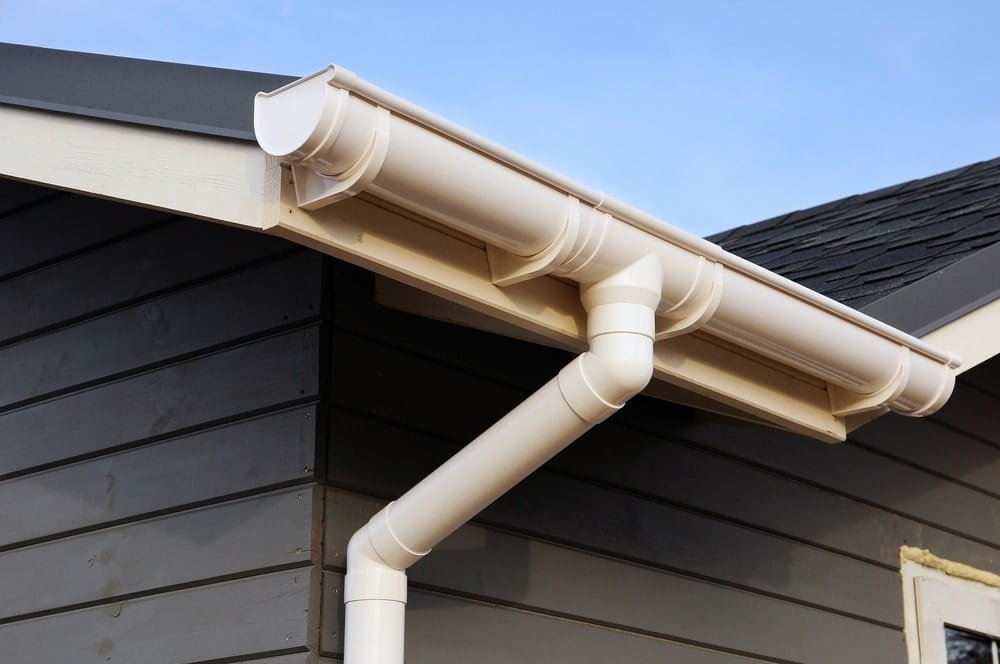 Maintenance Drainpipes and guttering are vital for a home. They help to manage the water flow and direct it away from key areas like doorways, porches and gardens. They shield the roof from water damage as well as the foundations. However in time, guttering and downpipes are prone to becoming blocked by debris, leaving them inefficient to do their job. westminster Downpipe Specialists guttering system that is regularly maintained and cleaned helps prevent this. Maintenance of gutters should be done each year to ensure the gutters function properly. It involves examining and fixing the downpipes, making sure they aren't blocked, checking the gutters for cracks and leaks, and ensuring all the brackets are properly aligned. To avoid problems in the future it is essential to use the correct method of re-aligning the gutters if sections have shifted. The downpipes, which are part of the guttering system and help to disperse rainwater that has collected on the roof, are vital. Installed in the gutter, they should be at least a metre away from the house. This will help to keep water out of important areas. It is recommended to keep the distance between the downpipes and the house as large as you can. This will lower the possibility of leaks. Downpipes can become blocked by wet leaves, moss, and other debris that accumulates over time. Regular cleaning, as well as the use of drain unblockers, can help keep your drains free. You can also purchase downpipe plugs that fit into your downpipes and help prevent obstructions. It is also recommended to add an outlet for your downpipe to your gutter system. This will assist in directing water into an additional soakaway or gulley. To determine the correct positioning of the running outlet or stop-end outlet, hang a plumb-line from the facia and place it directly over the drain position. You can patch any holes that you find in your guttering using roofing cement. This should be applied to the inside surface of the gutter and then smoothed over. Alternatively, you can use special gutter sealants. These are best suited to iron guttering as they have an anti-rust coating that helps to protect the material from moisture and other harmful elements.